
Storage · 2026 · Note
Sodium-ion stationary storage
Sodium is common. The cells are heavier than lithium, which matters less in a shed than in a car. The chemistry works. The open question is calendar life in a hot, humid room.
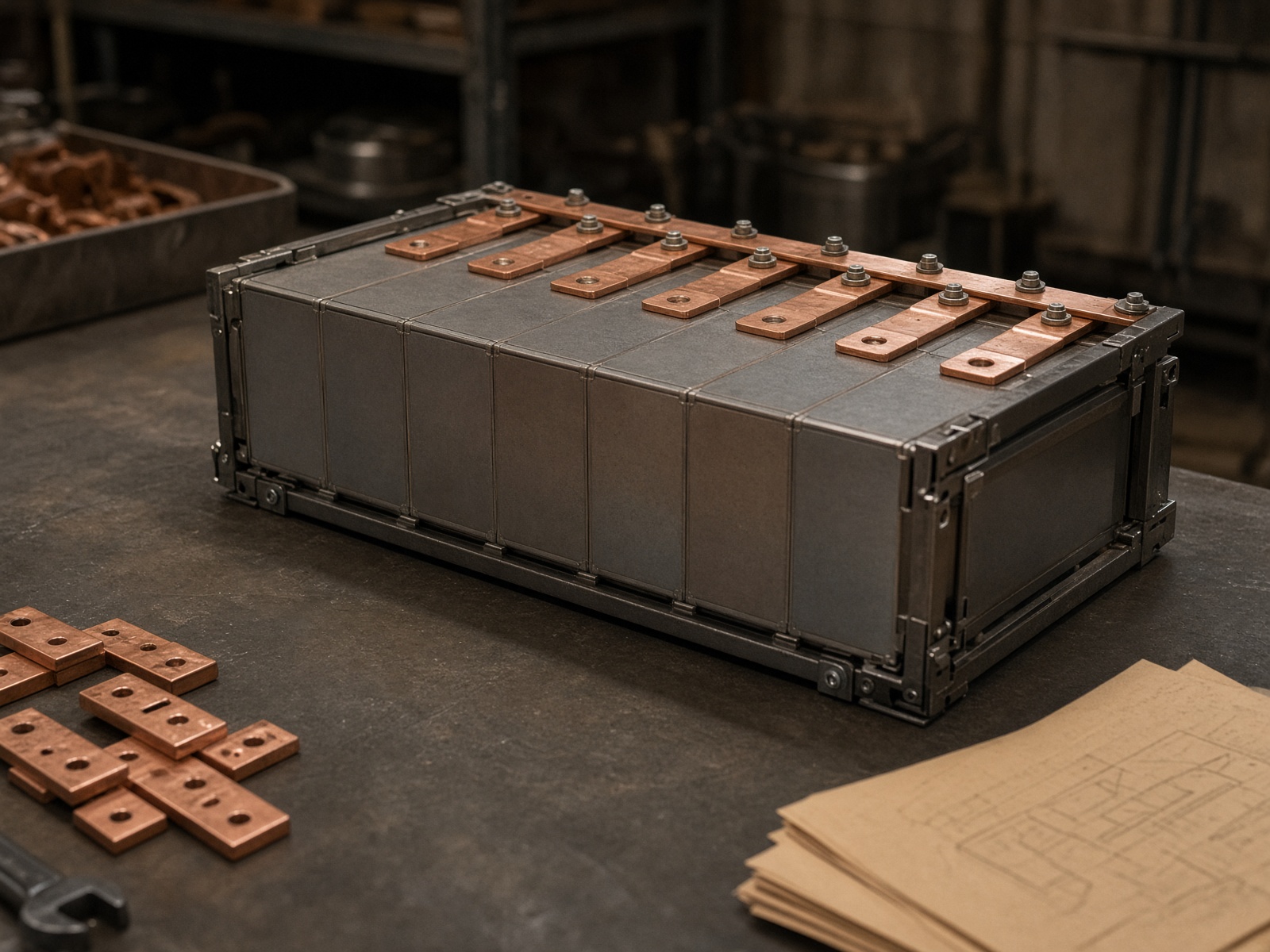
A sodium-ion cell is an intercalation battery, like lithium-ion, with Na⁺ as the shuttle. Graphite, the usual lithium anode, does not take sodium usefully, the ion is larger, and the staging is poor, so the anode in production cells is hard carbon: disordered carbon with a wider interlayer and closed pores that can hold sodium. The current collector can be aluminium on both electrodes; the cell can be shipped at zero volt. Those two facts are why factories talk about cost. They are not why a campus should buy it.
Three cathode families are in play. Layered oxides (NaxMO2, with iron, manganese, nickel, copper in various mixes) give the higher energy density among sodium cells, at the price of phase transitions and layer gliding as sodium leaves and returns, that is one fade path. Prussian-blue analogues are open-framework iron/manganese hexacyanoferrates: cheaper cathode mass, potentially long cycle life, but they come with crystal water and vacancies. If the water is not controlled, the cell gases and the capacity walks. Polyanionic compounds, NASICON phosphates, fluorophosphates, sodium iron pyrophosphate, sit lower in energy density and higher in voltage stability and air tolerance. No family wins every metric. Stationary storage should pick the family for hours and temperature, not for a slide that says “sodium”.
The limits are practical, not rhetorical. Cell energy density is still in the 120–175 Wh/kg band against 200–240 for LFP, so the same kWh takes more floor, more racks, more steel. Round-trip is a little worse. First-cycle sodium loss to the hard-carbon SEI is a real inventory tax: the cathode has to donate sodium that never comes back. Alloy anodes (tin, phosphorus, antimony) would raise capacity and then fail on volume change; they are not a pack chemistry yet. Hard carbon that is actually good is not a waste product. Closed-pore structure has to be made on purpose, and scale is still a bottleneck. Some layered oxides and Prussian-blue powders are moisture-sensitive. A monsoon store that treats the cell like LFP will pay for that in gas and fade.
Research is not idle. Hard-carbon work is about closing the right pores and cutting first-cycle loss. Layered-oxide work is doping and coating so the gliding is less destructive. Prussian-blue work is low-vacancy, low-water synthesis so the framework stays. Polyanion work, including sodium iron pyrophosphate, is aimed at air-stable, long-cycle stationary cells that do not need a dry room the layered powders want. Electrolyte additives and a stabler SEI/CEI are the quieter half of the literature. Solid electrolytes are in the papers. They are not in a KSEBL file.
Where it is stuck is not the ion. Chinese lines (CATL, HiNa, BYD and others) have shipped packs; a few grid demonstrations exist. Indian tenders still read LFP because LFP has the cycle data, the 10–15 year warranty language, and the integrator’s habit. Sodium-ion warranties are shorter and the calendar-life files at 35–40 °C are thin, that temperature is a Kerala room, not a laboratory. Fire-test reports exist for some packs and not for others. The inverter and the protection that come with a pack still have to pass an interconnection file written for lithium. Until a bank will read a twenty-year storage line on sodium-ion without a special pleading, a DPR should treat it as a sensitivity, not as the base case.
If the chemistry is named, the page should show the cathode family (not “sodium” as a brand), Wh/kg and kWh per square metre against LFP at the required hours, HVAC or passive cooling for a hot-humid enclosure, calendar fade at 35 to 40 °C (not only cycle count at 25 °C), the fire-test report, and whether KSEBL will accept the inverter and the protection as a package. Cell price without those numbers is not a comparison.
Comments
No public comments yet. A remark is shown here after Studio approves it.
Write a comment.
A remark, a suggestion, or an idea for another piece. This is not a business enquiry. It is held until Studio approves it, then published here. For a plant, a DPR or a job, use Contact.
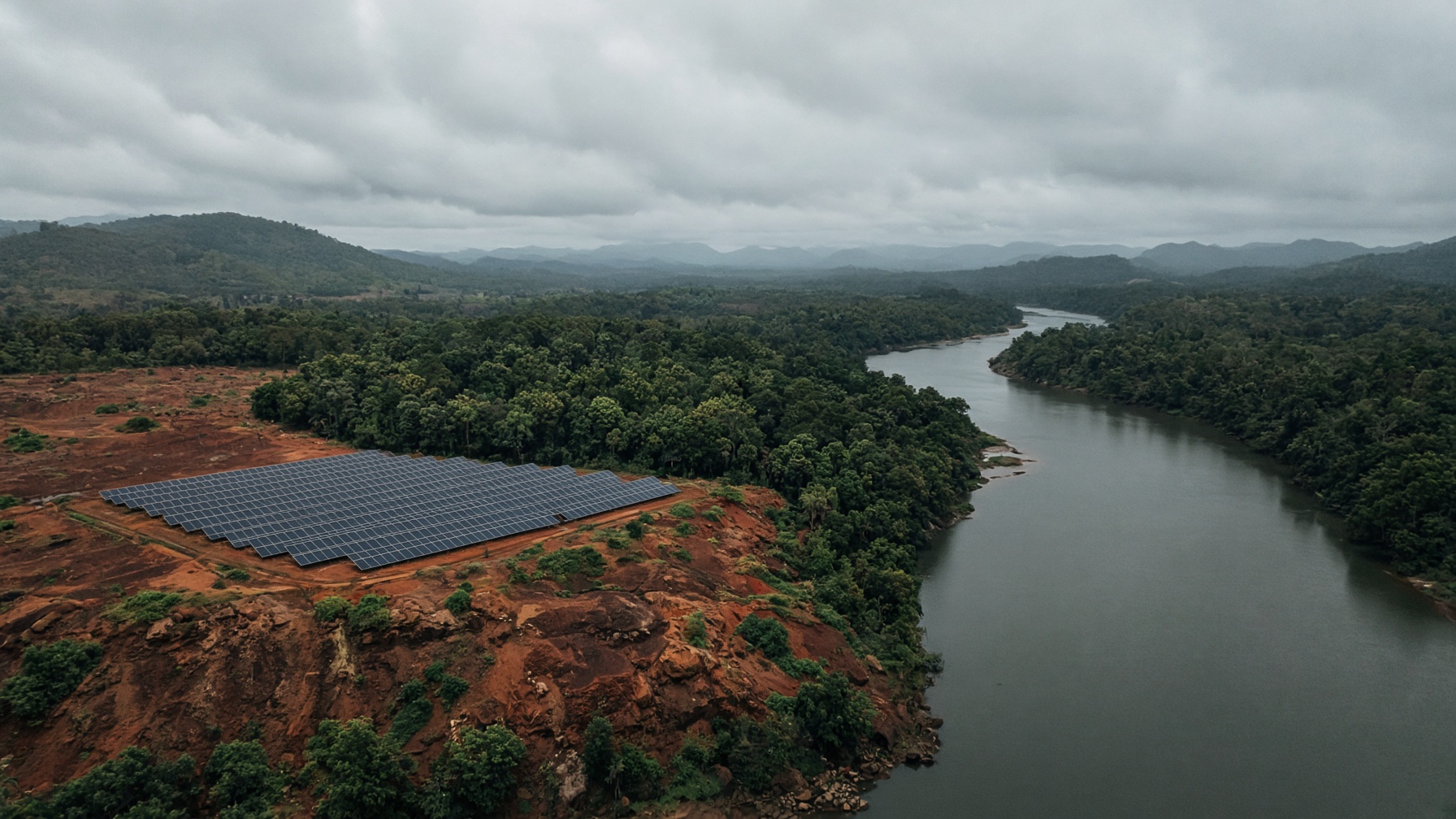
Policy/2026
Growth for all, and ecology as management
Development and ecology have been set against each other for a long time. Small is not always better, and holding other people back is not sustainability. Growth for everyone, planned so it does not wreck the place, is the job.
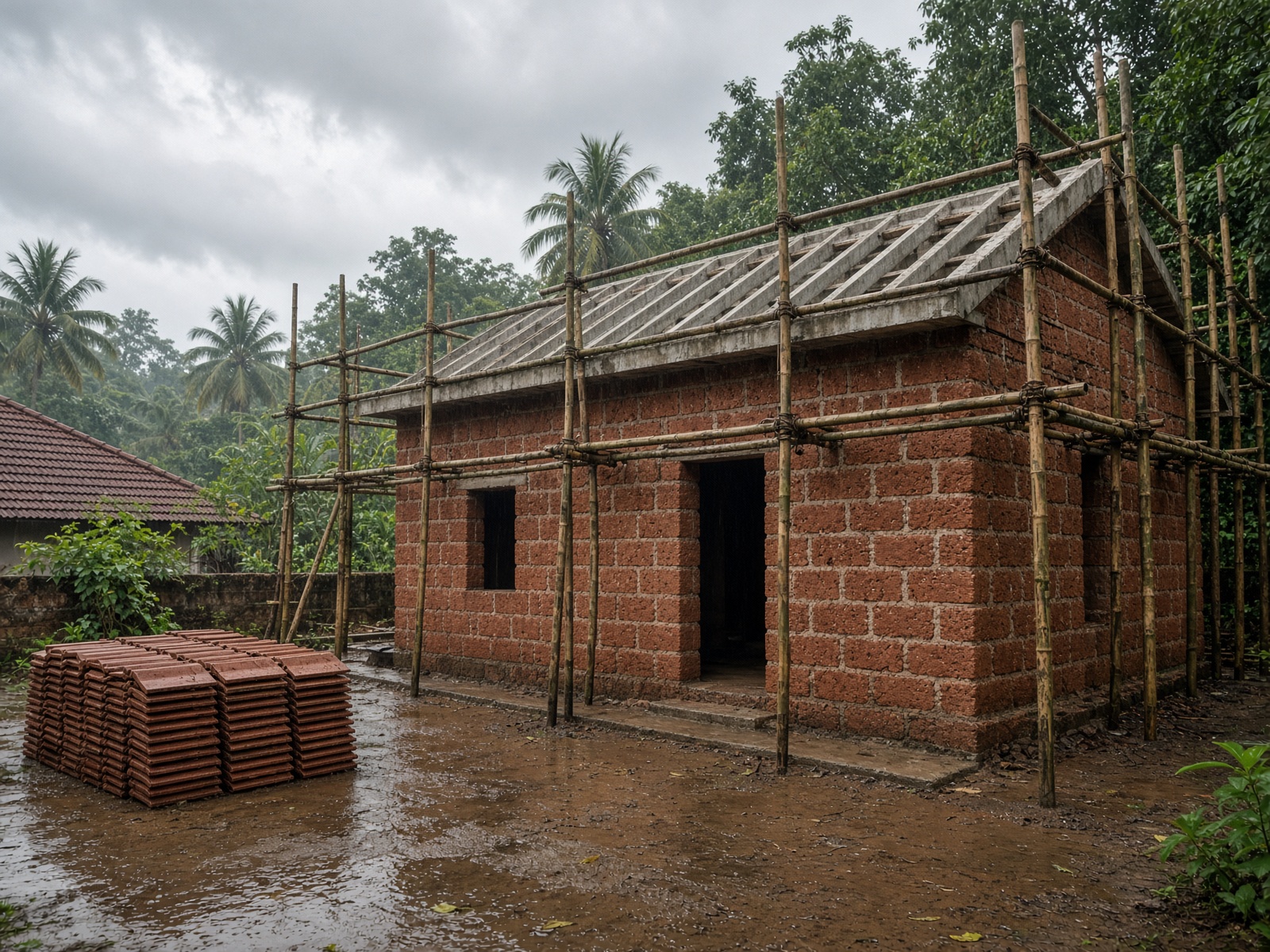
Civil/2026
Cost-effective building, specified clearly
Cheap is not the same as cost-effective. The saving is in the method: the wall, the slab and the skill on site, written in the BOQ, not hoped for after the tender.
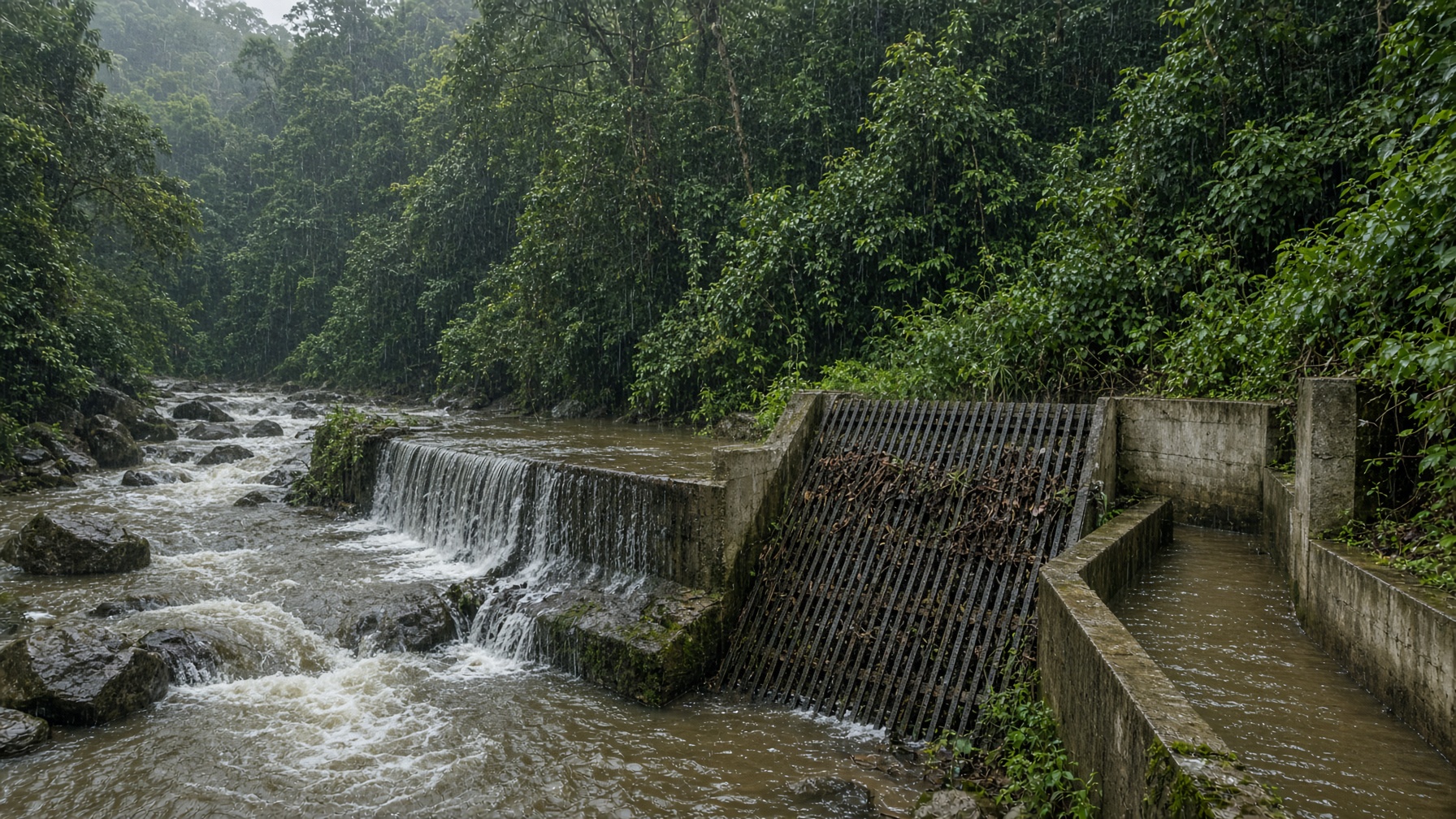
Hydro/2026
Small hydro, rebuilt as a working station
Older stations still earn if the civil, mechanical, and electrical sides are named. New runners, environmental flows, and protection that keep a plant on the grid.
Practice