
Hydro · 2026 · Note
Small hydro, rebuilt as a working station
Older stations still earn if the civil, mechanical, and electrical sides are named. New runners, environmental flows, and protection that keep a plant on the grid.
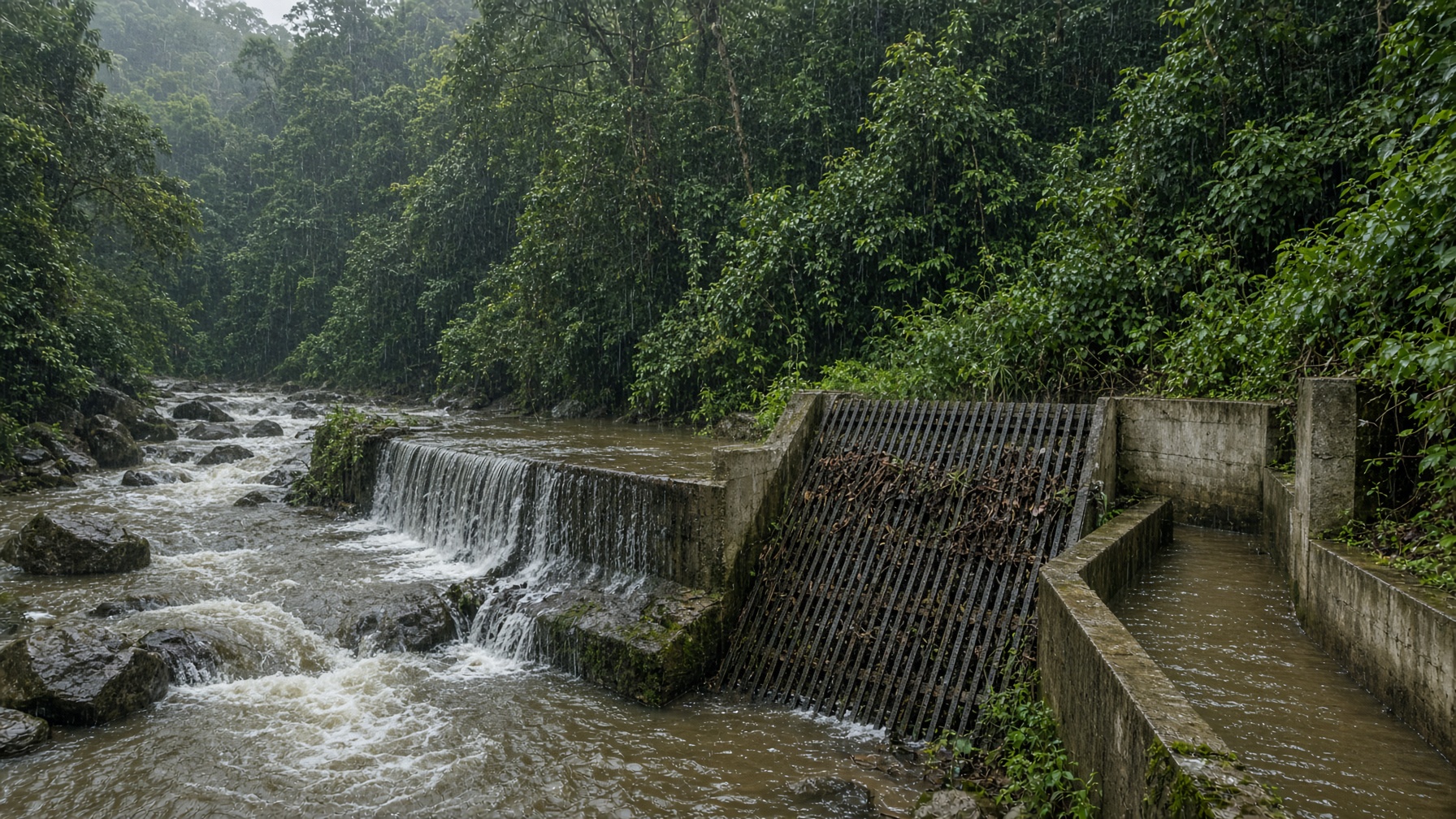
Rehabilitation of a small hydro station is not a new dam. The water right, the weir, the intake and the powerhouse already exist. What has usually failed is a mix of three things: the civil works have silted or leaked; the machines (runners, generators, governors, gates) are past their life; and the electrical side no longer satisfies a grid code a load-dispatch centre will accept. Owner’s engineering is to name those three in one document, with hydrology that is measured, not hoped. A 2 to 25 MW station in the Western Ghats is typical. The head decides the machine: Pelton on a steep drop, Francis on a medium head, Kaplan where the head is low and the monsoon flow is large. Rehab starts from that machine, not from a brochure.
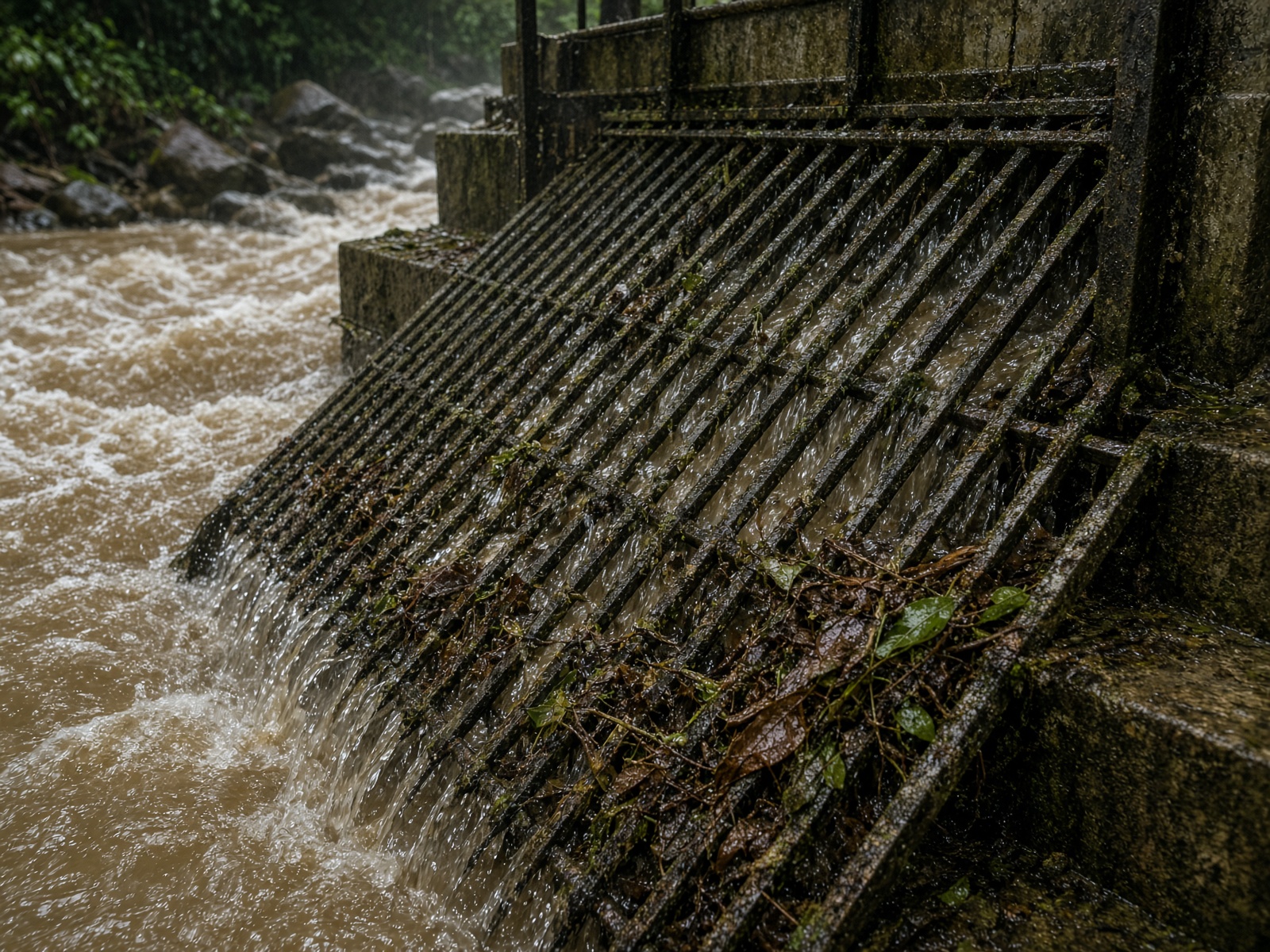
Civil work is often the cheap-looking item that is not cheap if it is skipped. Trash racks clog and the head loss is real; a monsoon of leaves and silt will take more energy than a worn runner if the racks are not raked and the bar spacing is wrong. Desilting basins fill. Penstocks pit and the coating fails. A tailrace that has raised its bed cuts the net head for every hour of the year. Seepage at a weir or a leak at an expansion joint is water that does not go through the turbine. None of this needs a new reservoir. It needs a survey, a silt survey, and a BOQ that says trash rack, coating, tailrace, not “civil works lump sum”.
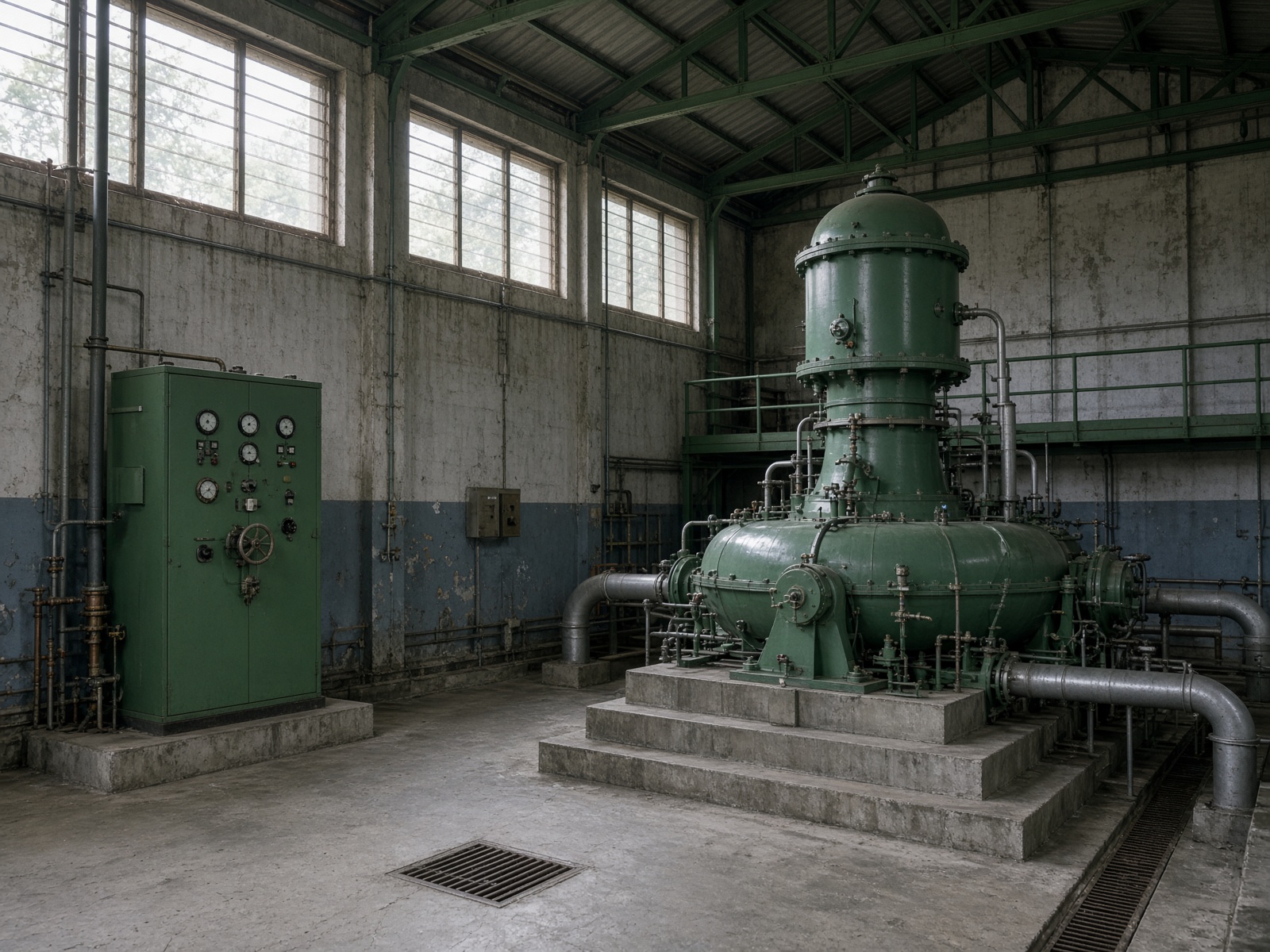
Mechanical rehab is the runner and everything that turns with it. A new runner, profiled for the actual head and the actual flow-duration curve, can recover points of efficiency the old casting lost to cavitation and silt. Bearings, shaft seals, inlet valves, and the governor are the rest of the same sentence. Digital governors and speed sensing are not cosmetics: they are what lets the machine stay in parallel when the grid is nervous. Gates that do not close are a safety file, not a maintenance note. If the silt load is high, laterite catchments in the ghats, the metallurgy of the runner (stainless, overlay) has to be named, or the new runner will look like the old one in three monsoons.
Electrical is where many Kerala stations are stuck. A generator rewind, new excitation, and protection that a 2020s grid code actually requires: differential, reverse power, vector shift, islanding, fault ride-through language a SLDC will read. The switchyard, CTs, PTs, breakers, earth mat, lightning, is often the reason a plant is limited or refused. KSEBL interconnection and metering are part of the same package. A beautiful turbine behind a switchyard that dispatch will not take is a museum. The rehab brief writes the electrical single-line first, then the machines, then the civil that feeds them.
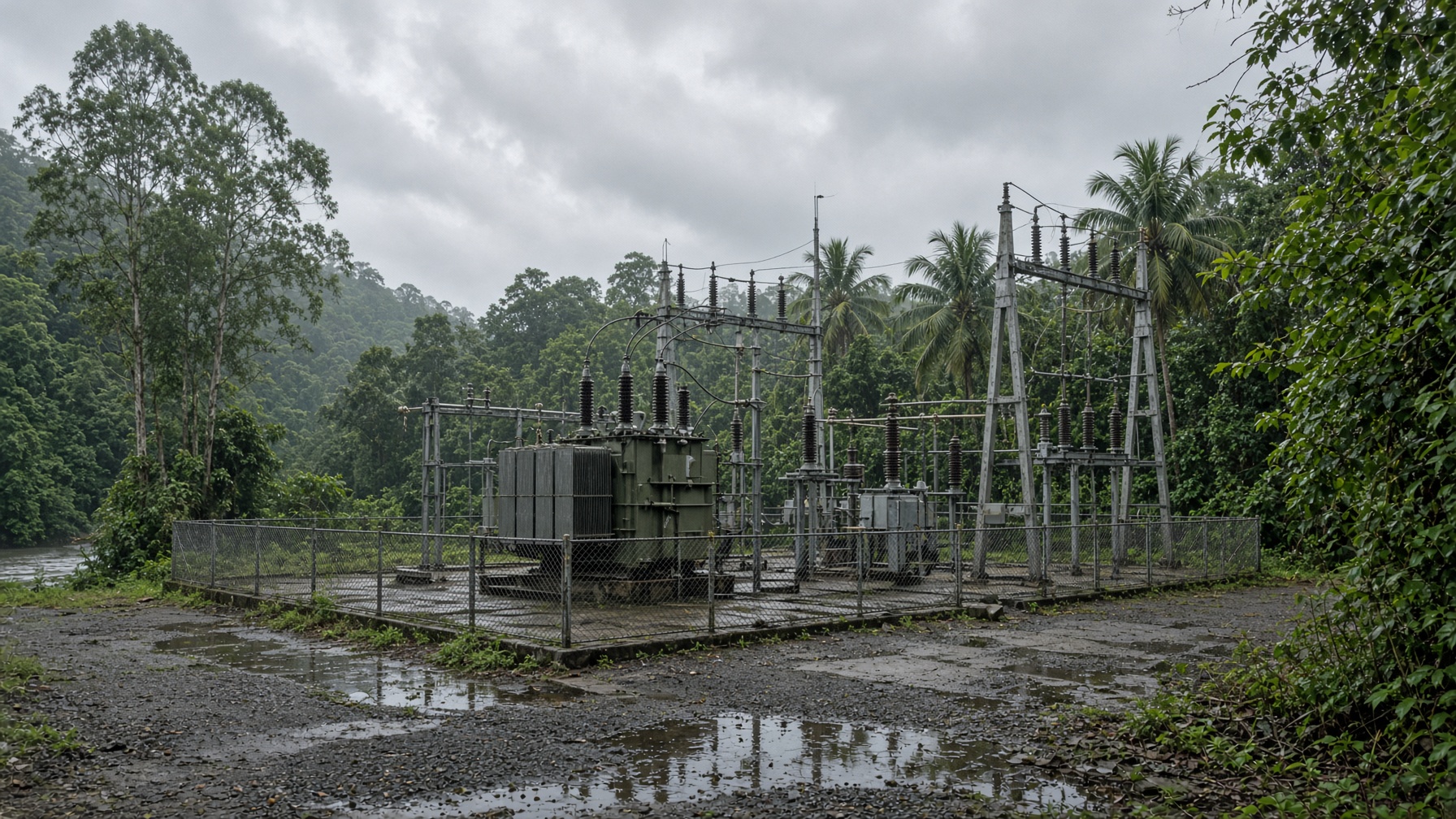
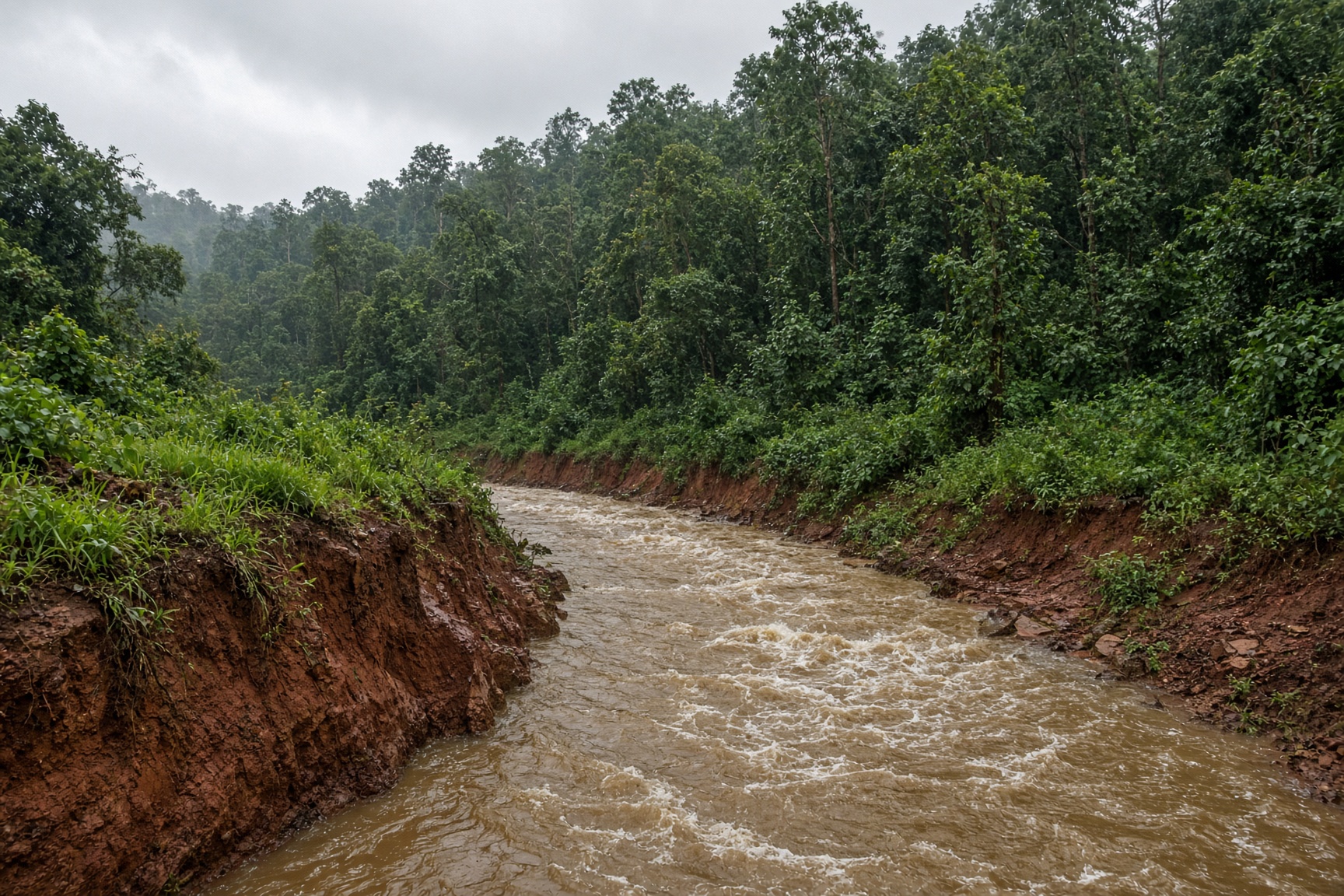
Hydrology is the constraint that no runner will repeal. Dependable energy is a dry-season number, not a nameplate. Monsoon peaks must be spilled or they take the station. Silt rating of the catchment decides how often the basin is cleaned. Environmental flow, a release past the weir so the river below is not a dry bed, and fish passage, where the species and the drop require it, sit in the same DPR as the machines. They are not an annex written after the order. Eco-management here is a flow that the river and the plant can both live with, not a freeze of the 1970 photograph.
The economics of rehab against a new station are usually the point. Civil sunk cost, existing water right, existing road and line: a well specified refit can put kWh back on the busbar for a fraction of a greenfield. The risk is a half-refit (new runner, old governor, old switchyard) that fails the first grid incident. The page should carry flow-duration and silt, net head after tailrace and racks, runner metallurgy, the governor and protection list the SLDC will initial, environmental flow, and a programme that does not take the plant off the grid for a season without a reason. That is how a small station is rebuilt without pretending it is a new dam.
Comments
No public comments yet. A remark is shown here after Studio approves it.
Write a comment.
A remark, a suggestion, or an idea for another piece. This is not a business enquiry. It is held until Studio approves it, then published here. For a plant, a DPR or a job, use Contact.
Policy/2026
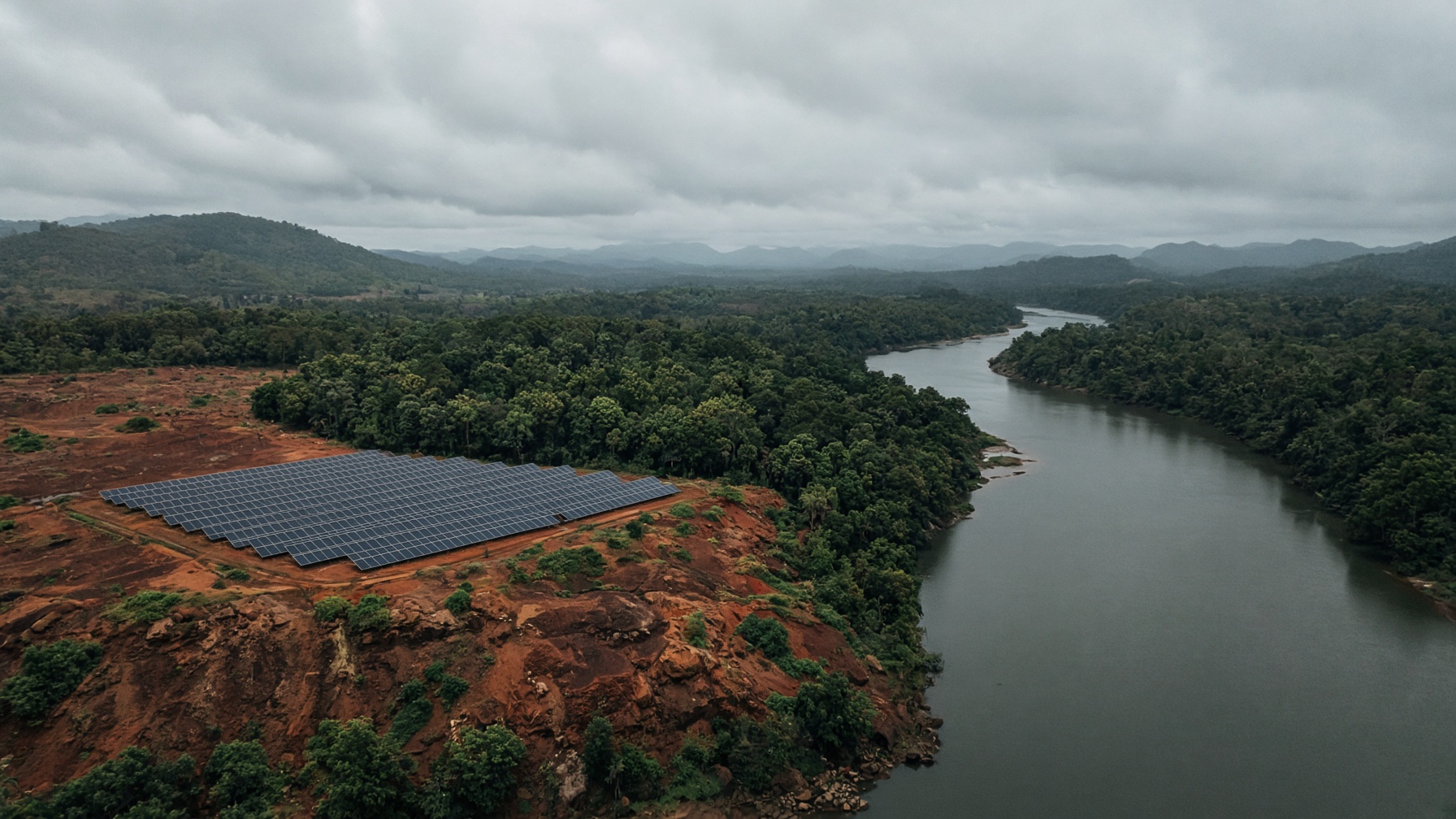
Growth for all, and ecology as management
Development and ecology have been set against each other for a long time. Small is not always better, and holding other people back is not sustainability. Growth for everyone, planned so it does not wreck the place, is the job.
Civil/2026
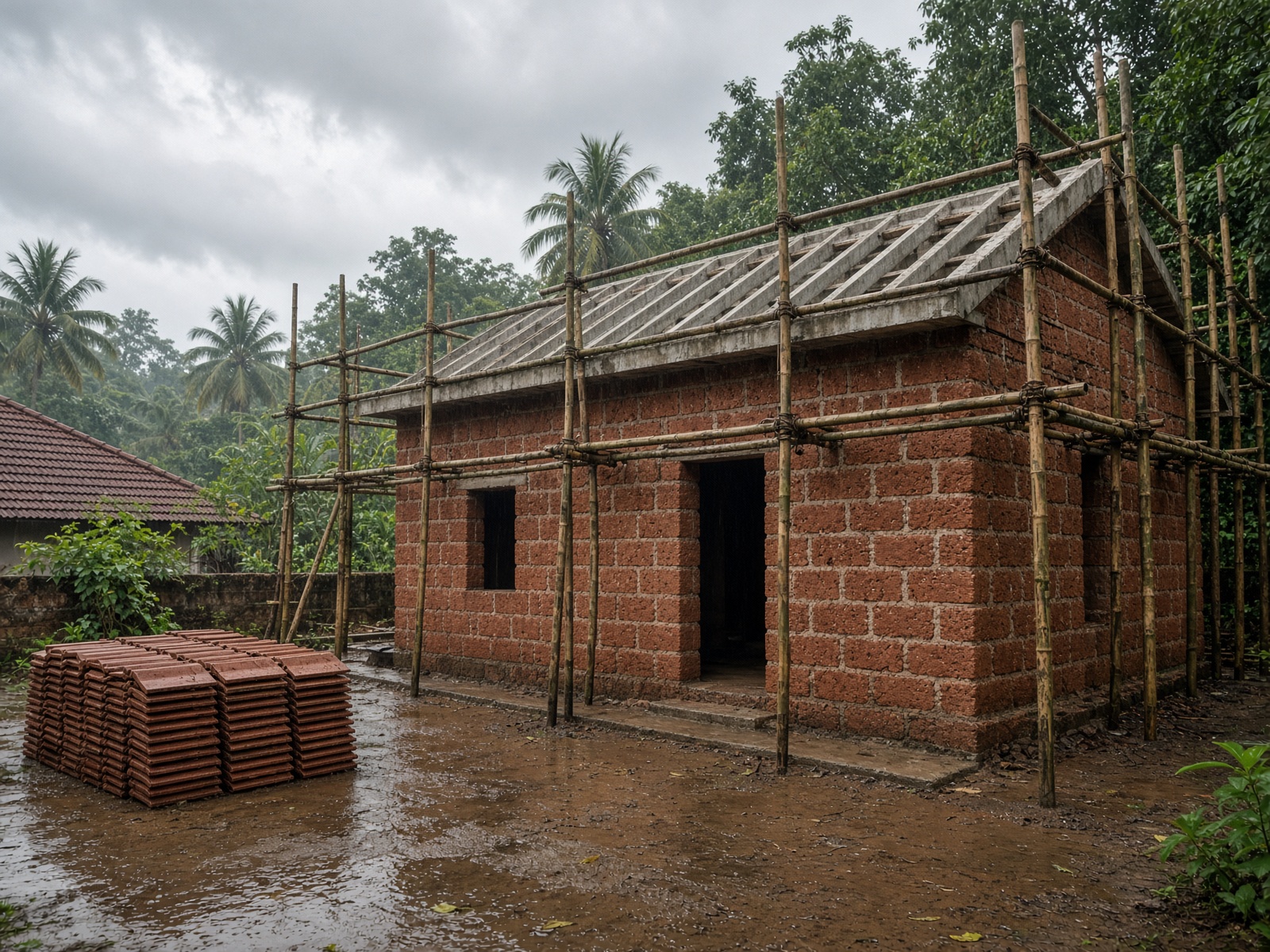
Cost-effective building, specified clearly
Cheap is not the same as cost-effective. The saving is in the method: the wall, the slab and the skill on site, written in the BOQ, not hoped for after the tender.
Wind/2026
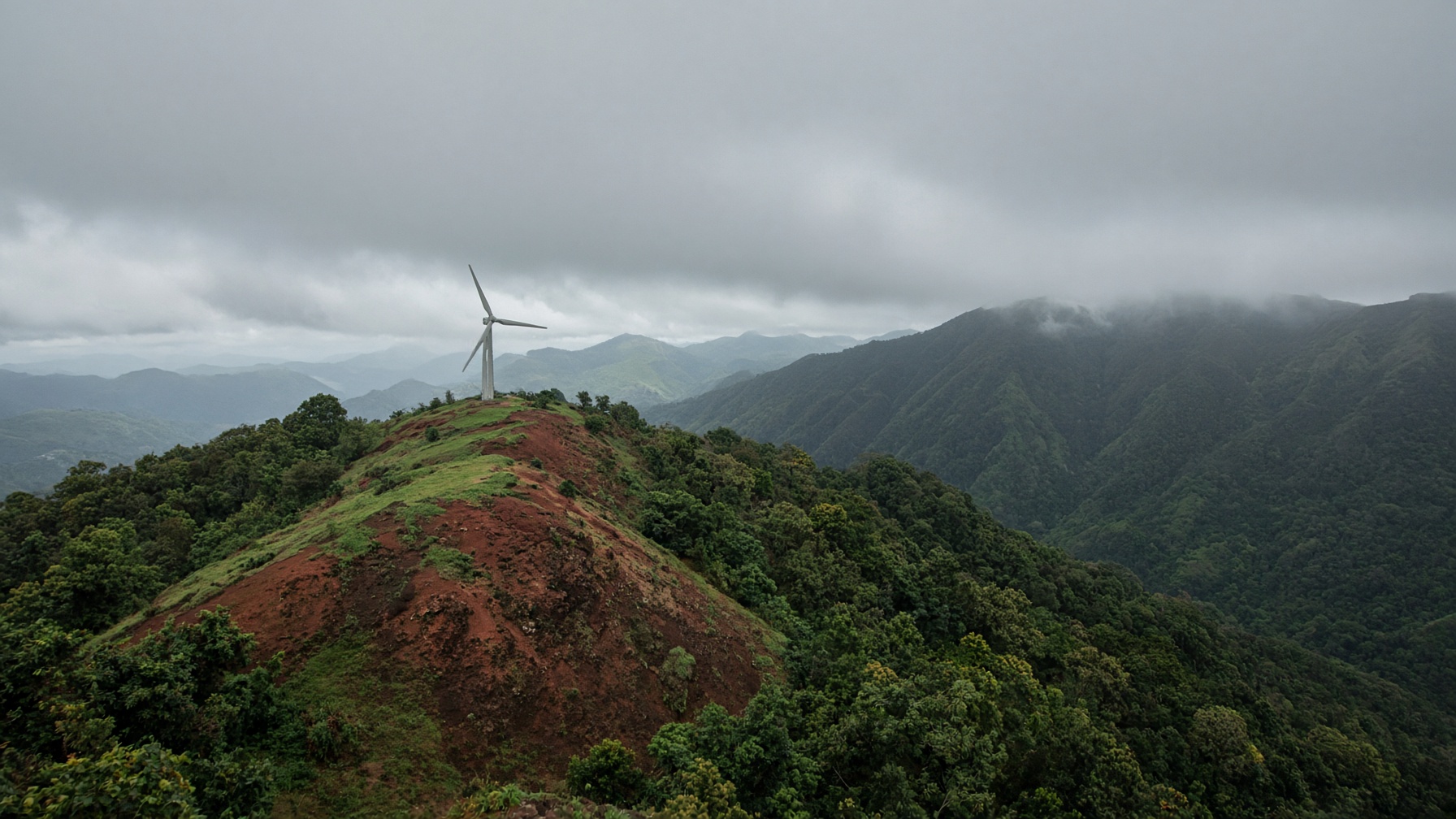
Diffuser-augmented wind at low speed
Wind in the Western Ghats is patchy and orographic. A shroud can raise yield at low speed. The mast campaign still decides if a site is worth the steel.
Practice