
Wind · 2026 · Note
Diffuser-augmented wind at low speed
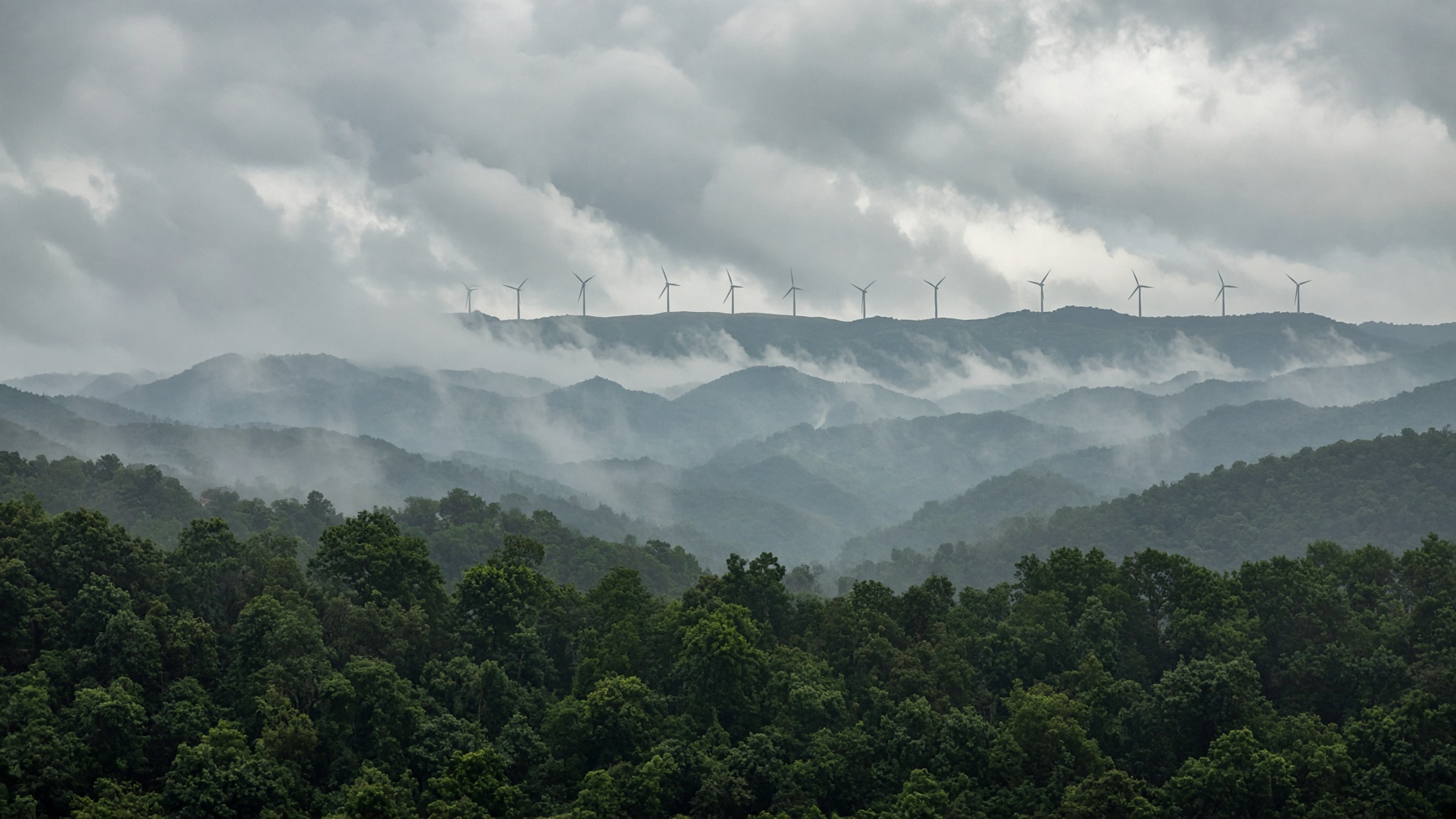
Wind in the Western Ghats is patchy and orographic. A shroud can raise yield at low speed. The mast campaign still decides if a site is worth the steel.
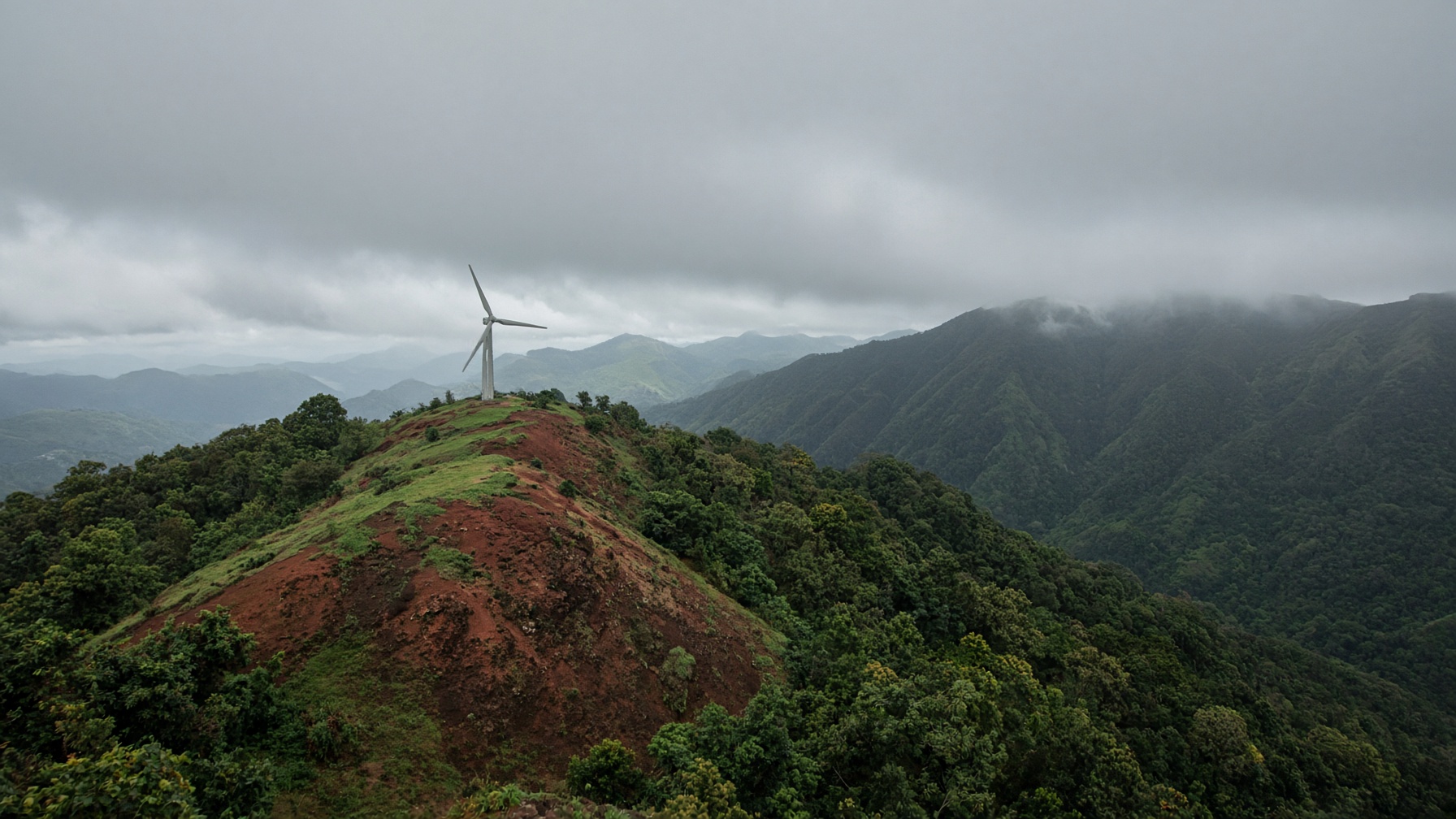
A bare horizontal-axis turbine is limited by Betz’s law: at most 16/27 of the wind’s kinetic energy through the rotor disc. Power also goes as the cube of speed, so a site that averages 4 to 5 m/s (much of the Western Ghats) is a poor cousin of Gujarat’s corridors. A diffuser-augmented wind turbine (DAWT) puts a shroud around the rotor. The cone opens downstream. Pressure at the exit drops, and more mass is pulled through the blades. A brim or flange at the exit (the “wind lens” line of work associated with Ohya at Kyushu) sheds vortices that deepen that suction. An inlet bellmouth helps the flow enter without separating. Laboratory and CFD papers, including work on low-speed sites in Energies and Energy Sources, show a real rise in power relative to the same rotor unshrouded. That gain is real for the rotor. It is modest if you compare it with a bare rotor as large as the diffuser’s mouth. The comparison has to be stated that way, or the paper overclaims.
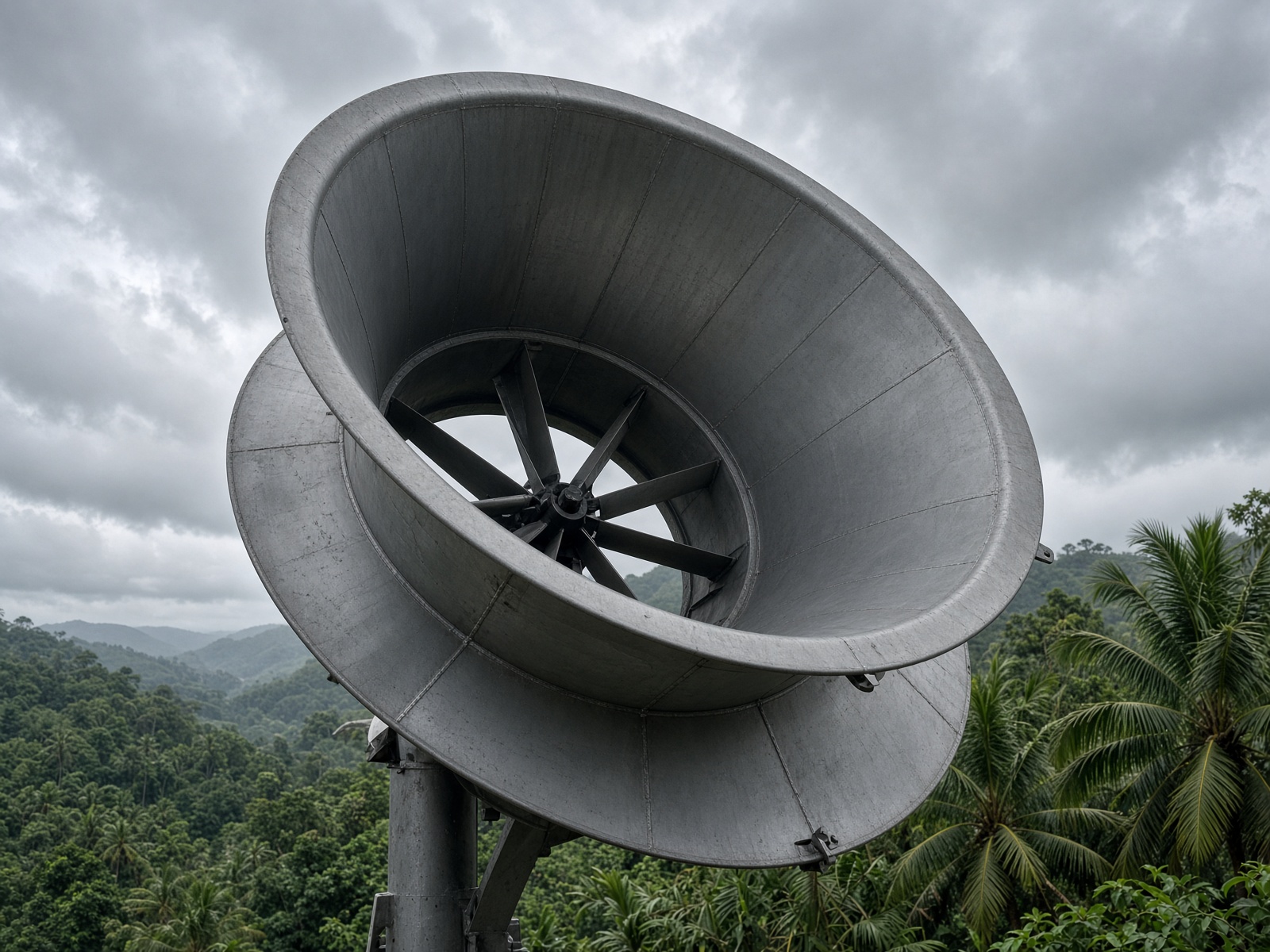
Two-terminal language does not apply here. The machine is mechanical: blades, a generator, a yaw (or a fixed heading if the ridge is disciplined), and a steel or composite duct that must survive a monsoon and a storm. Compact flapped diffusers and flange-thickness studies are the present research, trying to keep the aerodynamic gain without a duct that costs more than the turbine. Multi-rotor shrouds and built-environment mounts (a roof, a campus, a cutting) are in the literature. Utility machines remain overwhelmingly unshrouded. The reason is loads. A shroud is a sail in a cyclone. Yawing a ducted rotor is heavier than yawing a three-blade disc. Soiling, noise, and the civil foundation all grow with the duct.
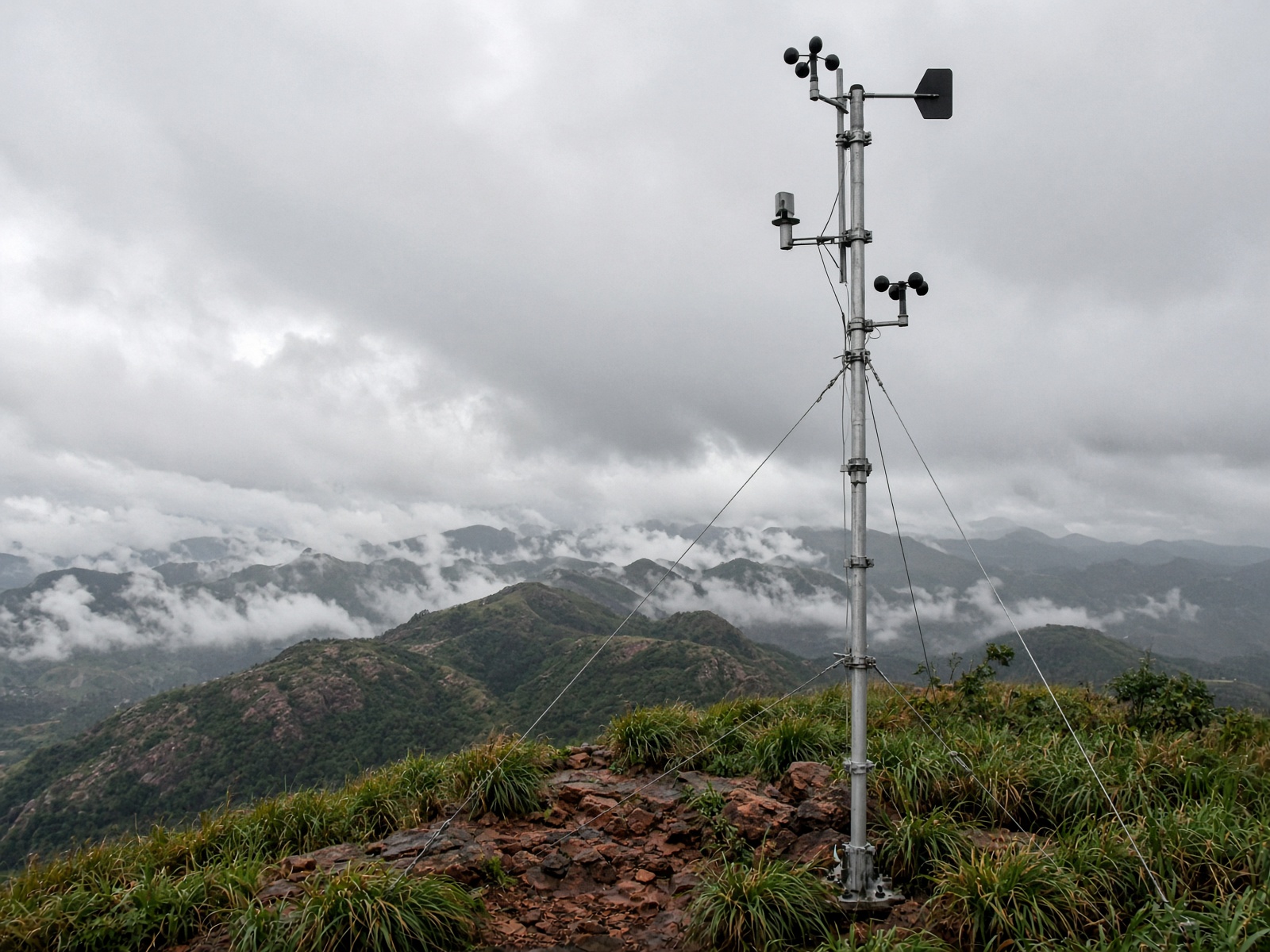
The application that is honest in Kerala is a small machine on a screened ridge or a campus, where mean speed is low and land for a large rotor is not. A shroud can make a 5–50 kW unit earn where a 2 MW unshrouded machine would not be sited. It does not turn a still valley into a wind farm. Monsoon reversal, orographic acceleration on a spur, and night-time drainage winds are site facts. They come from a mast, anemometers at more than one height, a year of data, preferably two, not from a catalogue. NIWE and the existing mast record still decide. A diffuser does not excuse a poor site.
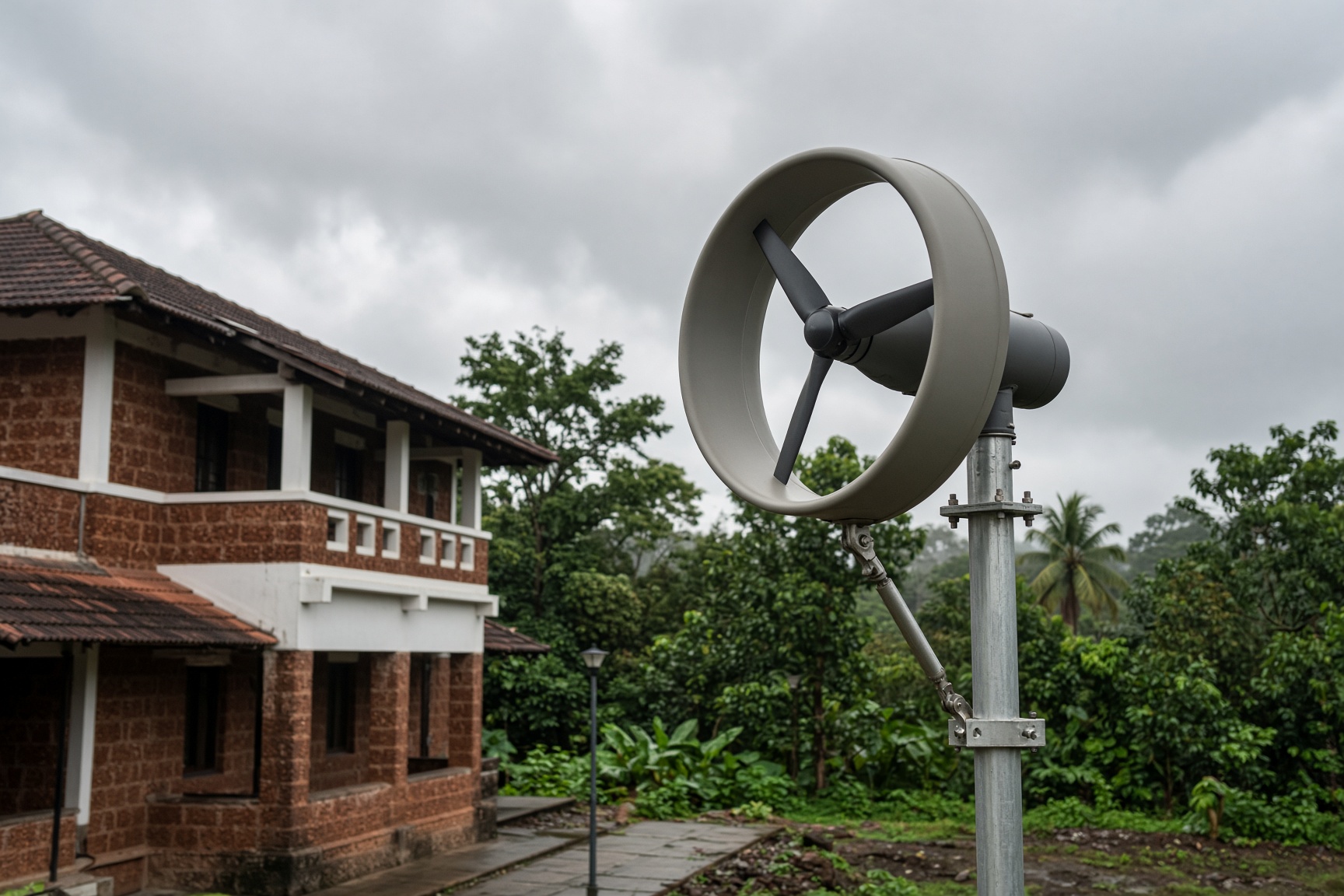
Advantages, where they exist: more power from a smaller rotor at 3–6 m/s; a duct that can cut some tip noise and some bird strike; a visual that a campus will accept more readily than a tall three-blade machine; the possibility of a lower hub if the shroud is doing part of the capture. For a laterite plot or a ghats spur with a load nearby, that can be the difference between a machine that is specified and one that is a press note.
Limitations are why the 2 MW class is still open. Cost of the shroud per kW. Storm and cyclone loads on the duct and the foundation. Yaw. Scaling: what works at 2 m diameter does not automatically work at 80 m. The Betz comparison must be stated against the right area, or the paper is a marketing slide. Maintenance of a duct in salt and monsoon rain. Grid notes, protection, and the civil–mechanical–electrical interface are the same as any small wind job, they are not replaced by the shroud.
Research that is actually moving includes CFD of flange depth and flare; compact and flapped diffusers so the structure is not a barn; materials that are light enough to yaw; field units with a year of SCADA rather than a week of a prototype on a calm day; and pairing a small DAWT with solar on a campus so the wind covers the monsoon weeks. The practice already writes micrositing, grid notes and that interface. A DPR should carry the mast file, the mean and the Weibull, the shroud loads in a design storm, and a yield measured against a bare rotor of the same exit area. Until those sit in the document, a photograph of a ducted prototype is not a reason to buy steel.
Comments
No public comments yet. A remark is shown here after Studio approves it.
Write a comment.
A remark, a suggestion, or an idea for another piece. This is not a business enquiry. It is held until Studio approves it, then published here. For a plant, a DPR or a job, use Contact.
Policy/2026
Growth for all, and ecology as management
Development and ecology have been set against each other for a long time. Small is not always better, and holding other people back is not sustainability. Growth for everyone, planned so it does not wreck the place, is the job.
Civil/2026
Cost-effective building, specified clearly
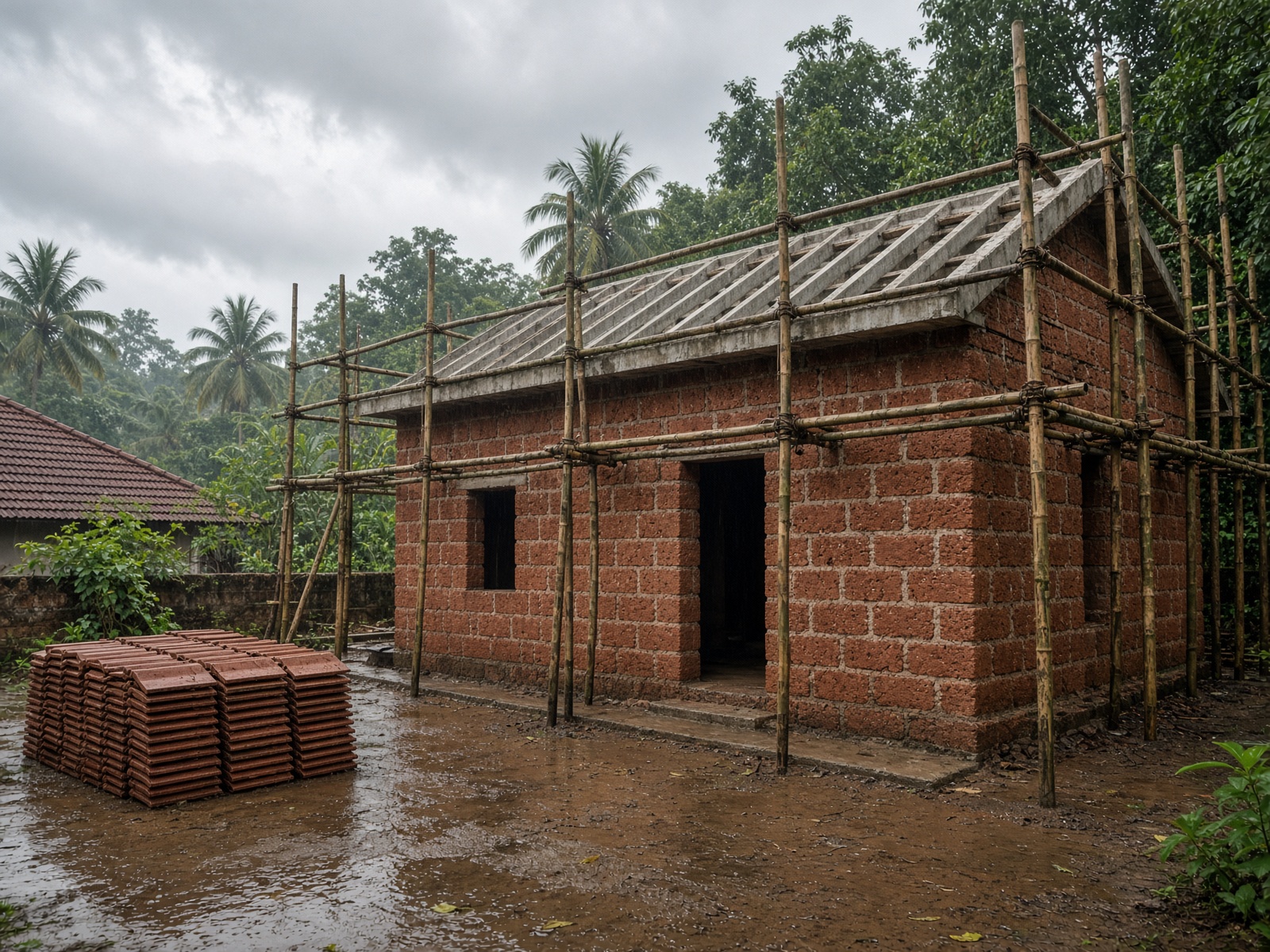
Cheap is not the same as cost-effective. The saving is in the method: the wall, the slab and the skill on site, written in the BOQ, not hoped for after the tender.
Hydro/2026
Small hydro, rebuilt as a working station
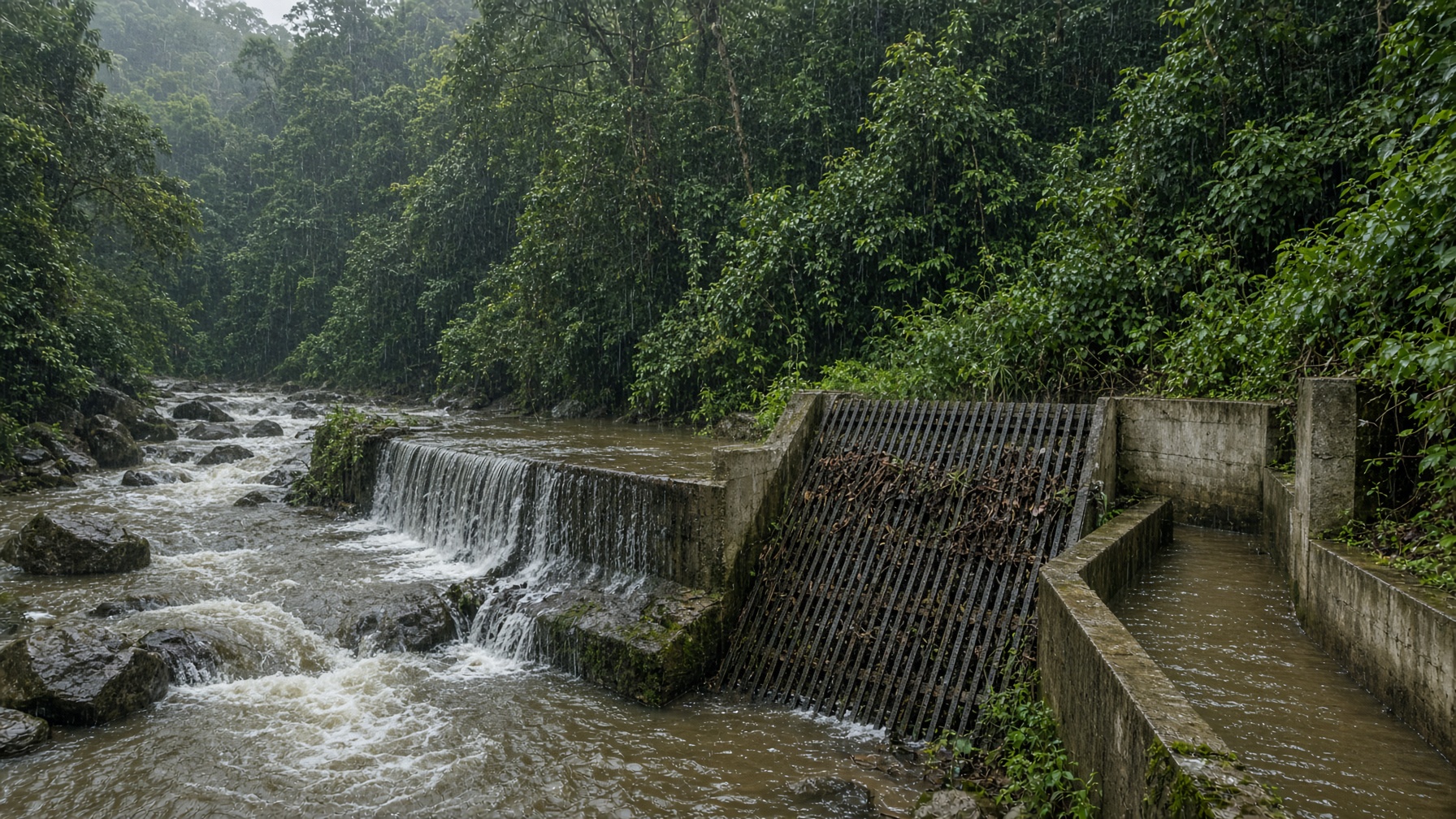
Older stations still earn if the civil, mechanical, and electrical sides are named. New runners, environmental flows, and protection that keep a plant on the grid.
Practice