
Civil · 2026 · Video
Cost-effective building, specified clearly
Cheap is not the same as cost-effective. The saving is in the method: the wall, the slab and the skill on site, written in the BOQ, not hoped for after the tender.
Site video
Cost-effective building is a civil method. The load path is shortened, the material is the one the district already makes, and the labour is the skill that is actually on the site. A laterite wall that is dressed and bonded does not need a brick skin. A filler slab with clay tiles in the tension zone does not need a full RCC deck. Rat-trap bond, compressed stabilised earth blocks, ferrocement channels, and precast planks and joists follow the same idea: put concrete and steel only where they earn.
Kerala already has the examples. Laurie Baker’s work and COSTFORD’s houses used rat-trap bond, filler slabs and jali so that brick and light did the work plaster and glass were being asked to do. Dressed laterite (the same stone under Cheemeni) is a wall if the courses are honest. CSEB has been proven on campus and housing work where the soil can be stabilised and the press is maintained. None of this is a free house. It is a house that has been specified.
The construction approach is the brief. Read the soil and the monsoon first. Choose the unit the quarry or the press can actually deliver. Draw the wall and the slab so a mason can build them without a special gang from outside the district. Write the BOQ as the method: laterite in English bond, filler slab with Mangalore tile, CSEB at a named mix. Do not write “civil works lump sum”. Supervise the first courses. A cost-effective specification that is not watched on day one becomes ordinary RCC by week two, and the saving is gone.
Check termite and damp at the plinth, the skill of the mason for rat-trap and CSEB, and whether the structural engineer will stamp a filler slab. If those three are not on the document, the method will not survive the site.
Comments
No public comments yet. A remark is shown here after Studio approves it.
Write a comment.
A remark, a suggestion, or an idea for another piece. This is not a business enquiry. It is held until Studio approves it, then published here. For a plant, a DPR or a job, use Contact.
Policy/2026
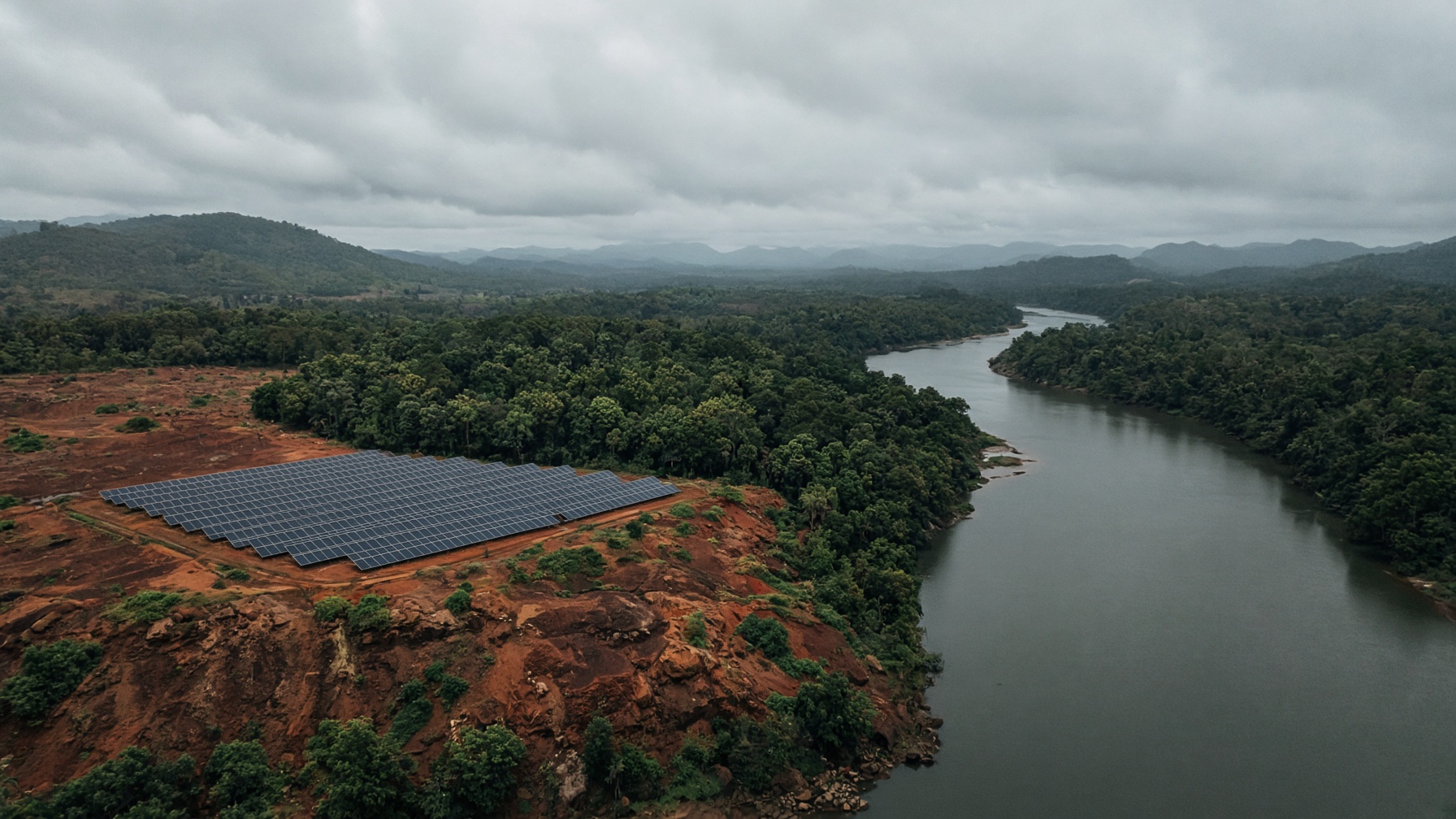
Growth for all, and ecology as management
Development and ecology have been set against each other for a long time. Small is not always better, and holding other people back is not sustainability. Growth for everyone, planned so it does not wreck the place, is the job.
Hydro/2026
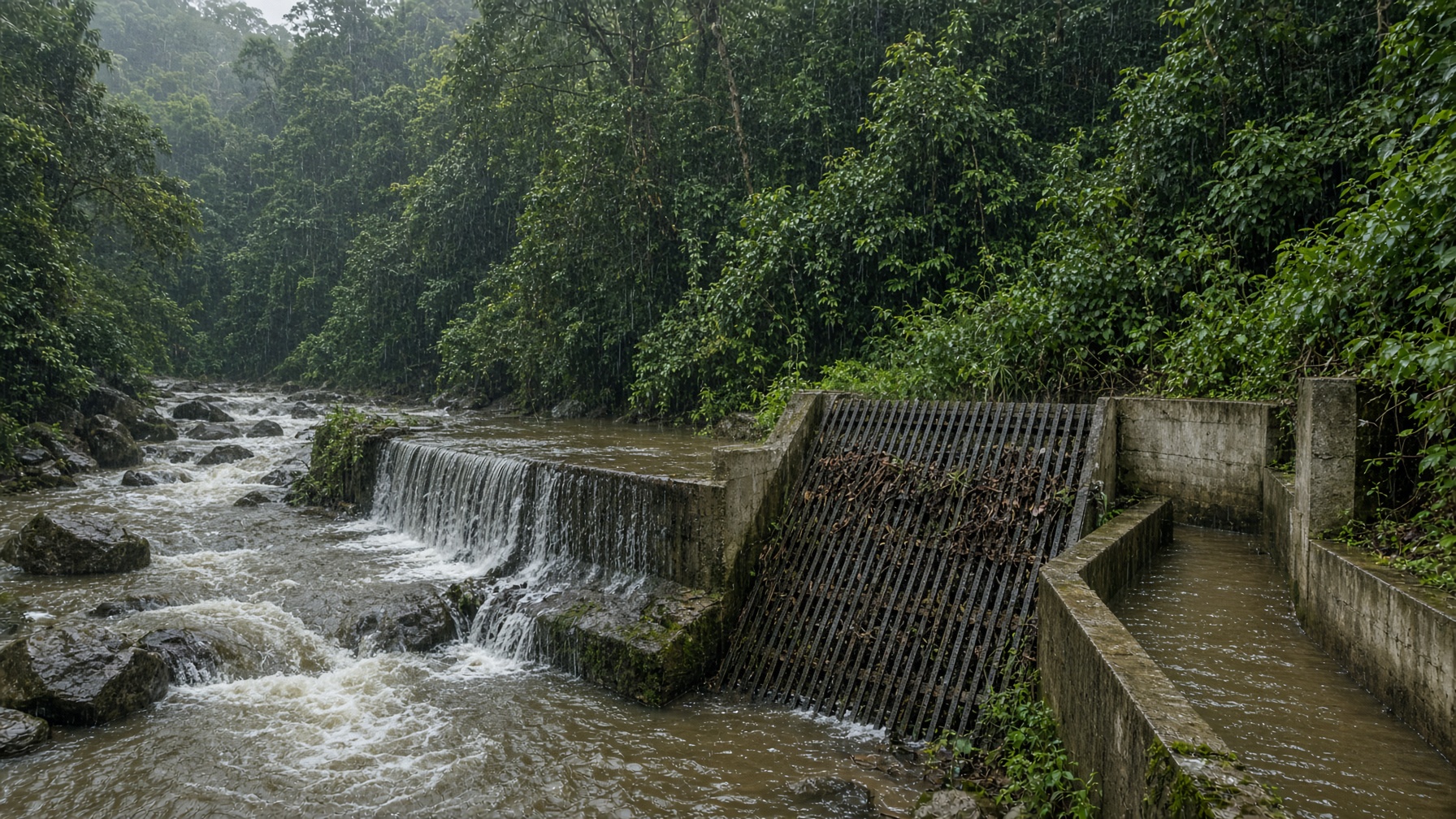
Small hydro, rebuilt as a working station
Older stations still earn if the civil, mechanical, and electrical sides are named. New runners, environmental flows, and protection that keep a plant on the grid.
Wind/2026
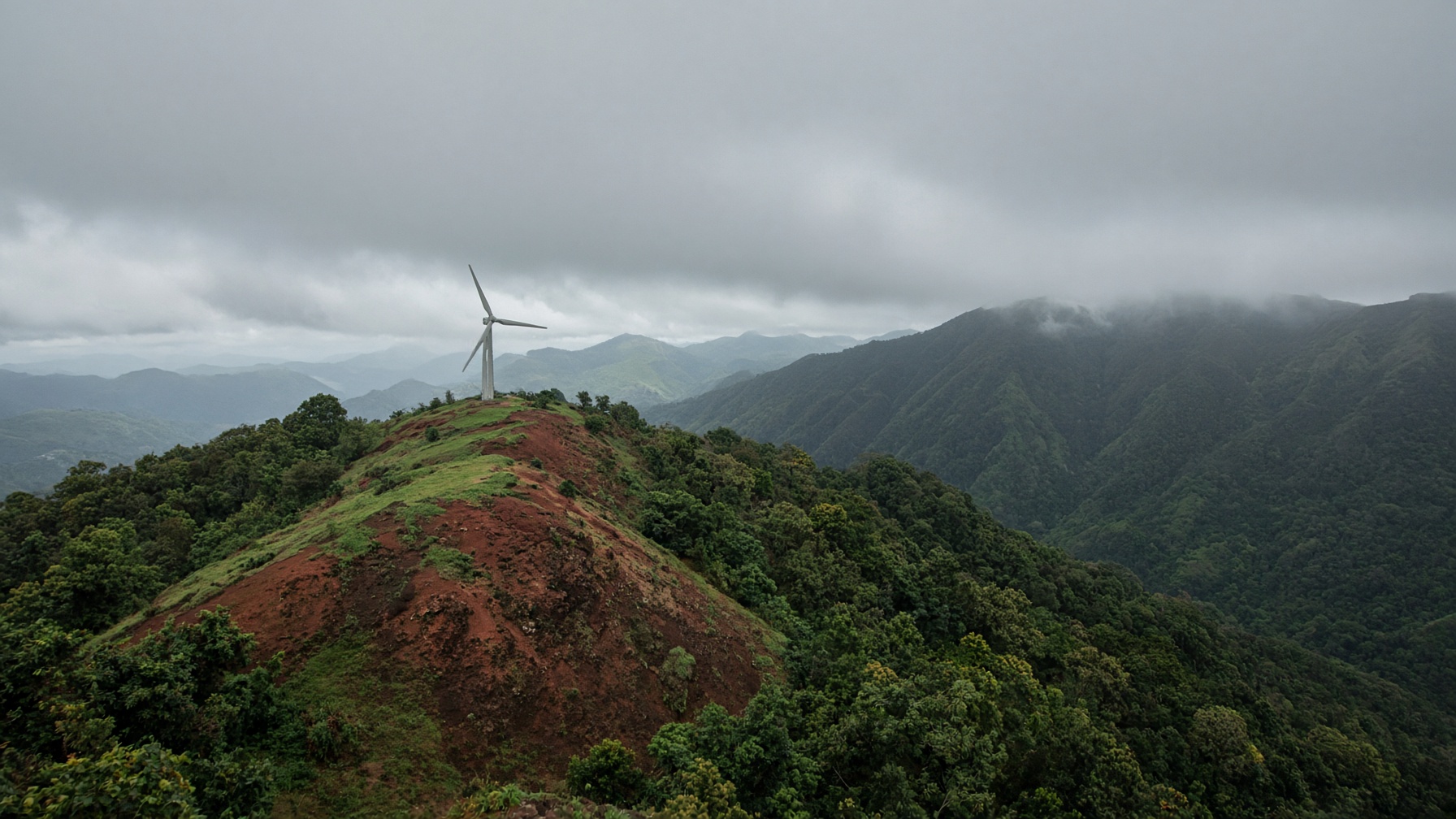
Diffuser-augmented wind at low speed
Wind in the Western Ghats is patchy and orographic. A shroud can raise yield at low speed. The mast campaign still decides if a site is worth the steel.
Practice